
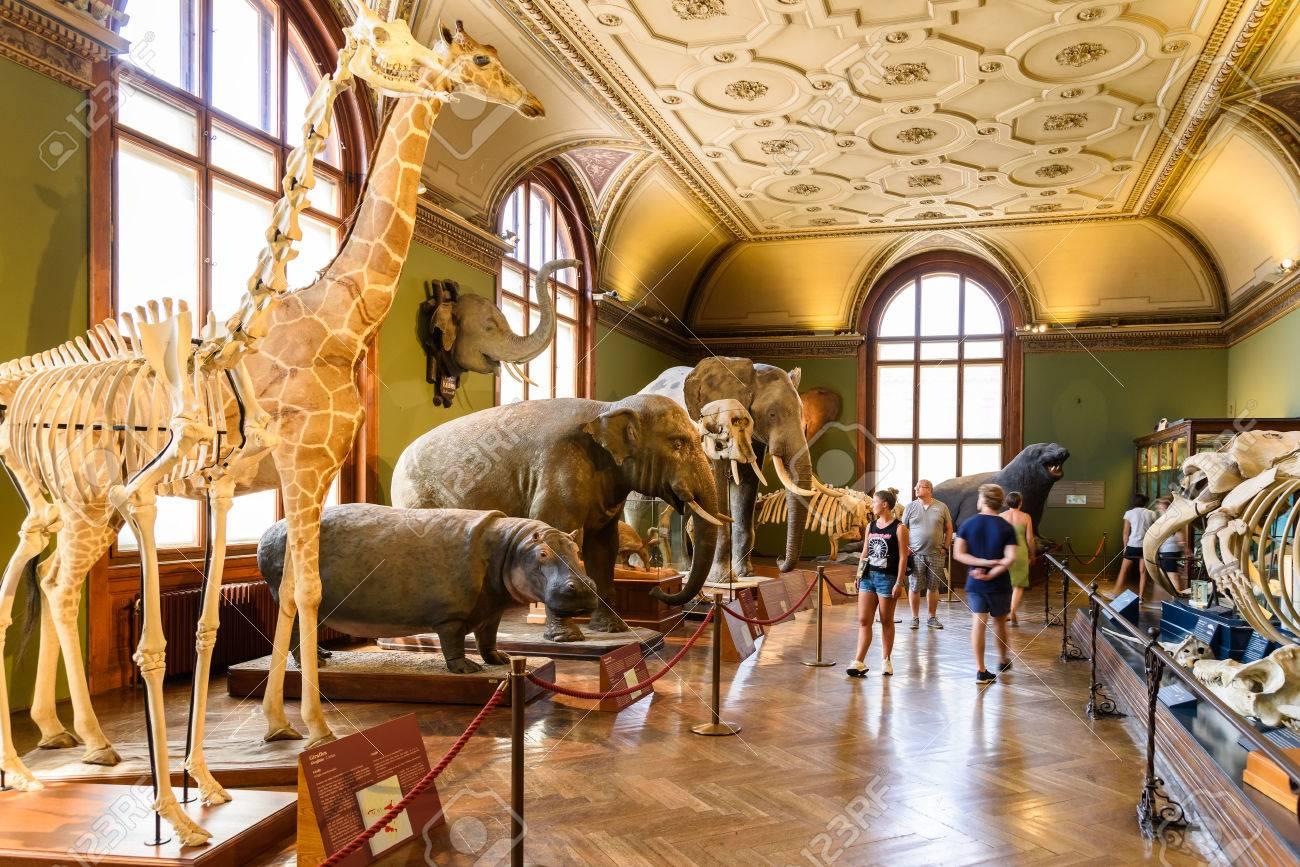
The history of the earth and the breathtaking variety of nature can be practically experienced due to 20 million objects: From insects to gemstones and minerals and pterodactyls, the Habsburgs united everything under the roof of this museum near the Imperial Palace. Numerous taxidermy specimens of animals that are either extinct or threatened with extinction make the collection all the more valuable.
Read More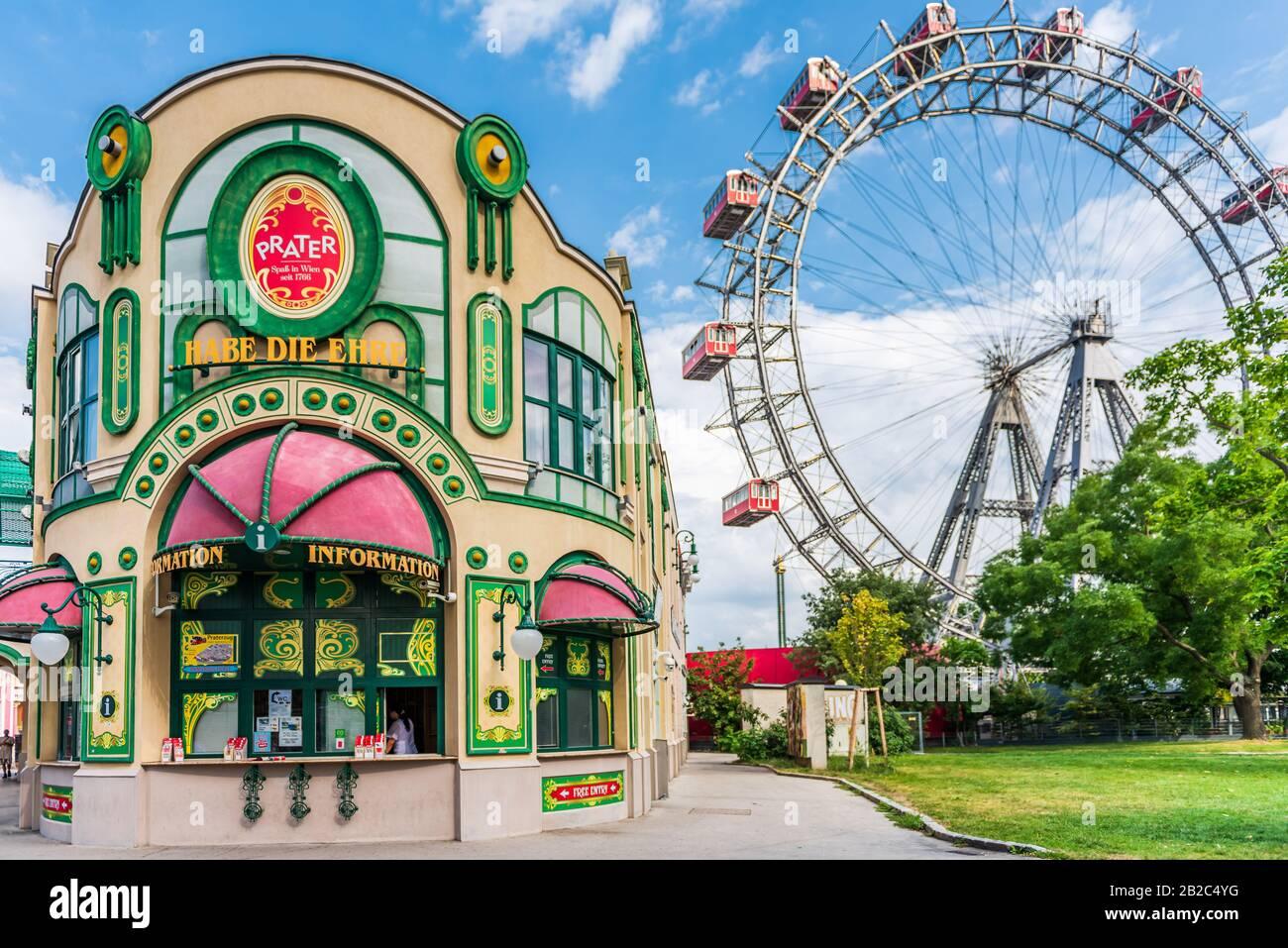
Visitors to Vienna can look forward to a full schedule of arts and culture. Schönbrunn, St. Stephen’s Cathedral, and the Lipizzaner are just as much fixtures of the must-do list in Vienna as a ride on the Vienna Giant Ferris Wheel, a landmark visible from afar on the Vienna skyline.
Read More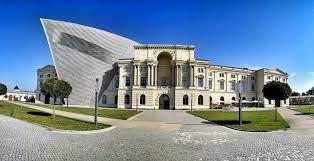
The Museum of Military History examines the history of the Habsburg Monarchy from the end of the 16th century to the end of the monarchy in 1918, as well as the subsequent years up until 1945. The museum mainly focuses on the role of the army and military history on the high seas.
Read More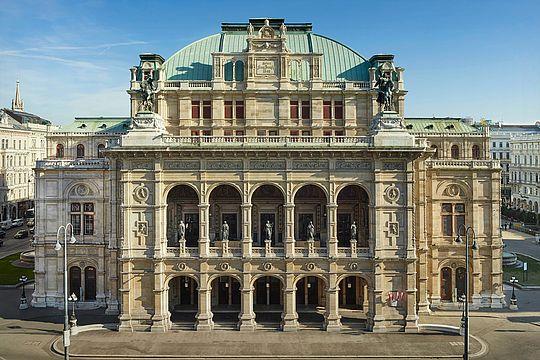
The Vienna State Opera offers a diverse program of operas and ballet works. The best-known names in opera create magical moments – in the opera house with the largest repertoire in the world.
Read More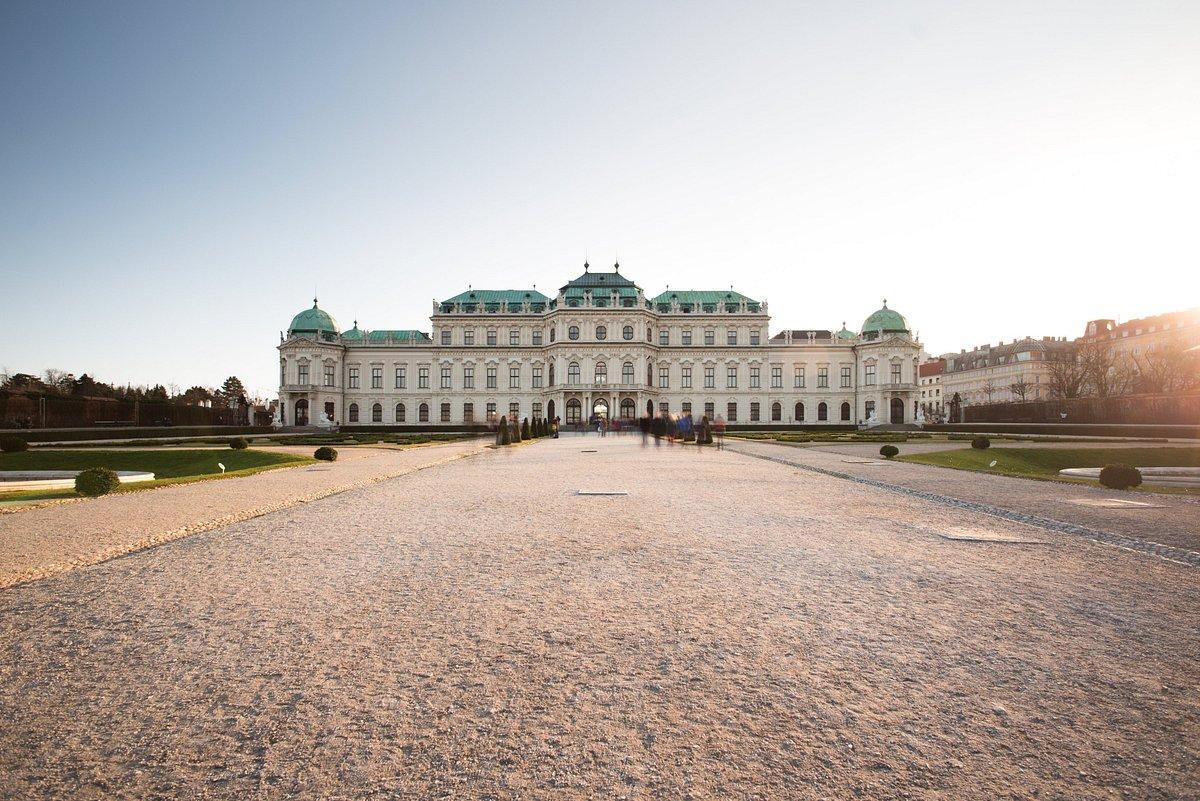
The two Belvedere palaces were built in the early eighteenth century by the famous Baroque architect Johann Lucas von Hildebrandt to be used as the summer residence of Prince Eugene of Savoy (1663–1736).
Read More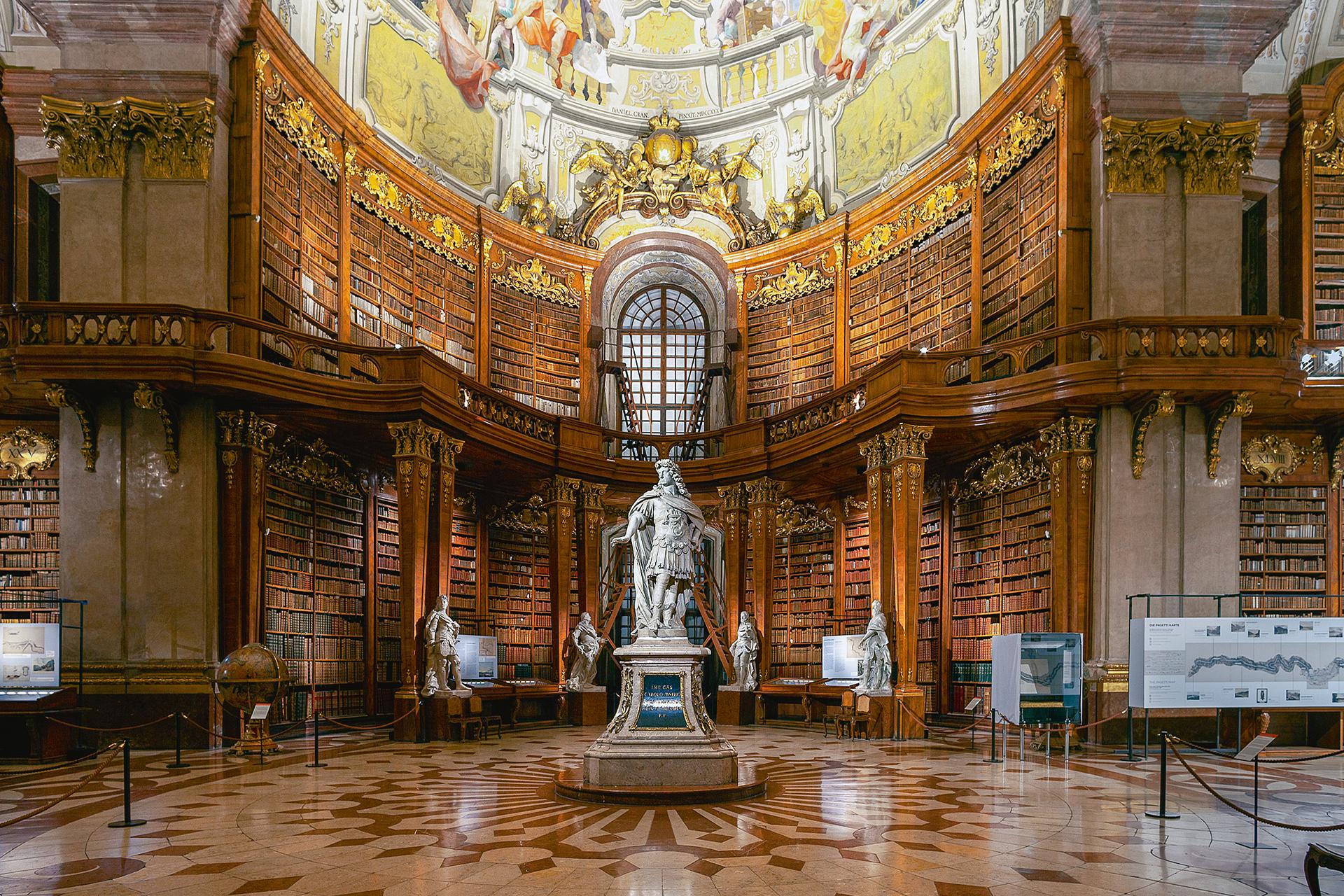
Europe's largest Baroque library houses over 200,000 historic books on its richly decorated wooden shelves. The Grand Hall is rightly one of the most beautiful library rooms in the world.
Read More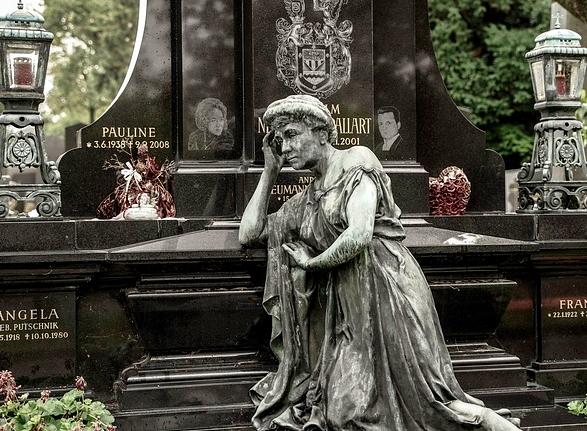
The cemetery is one of the most magical places in Vienna. Waiting to be discovered here are graves of honor from Beethoven to Falco, fantastic Art Nouveau architecture as well as abundant lush greenery that makes the cemetery a popular local recreation area.
Read More