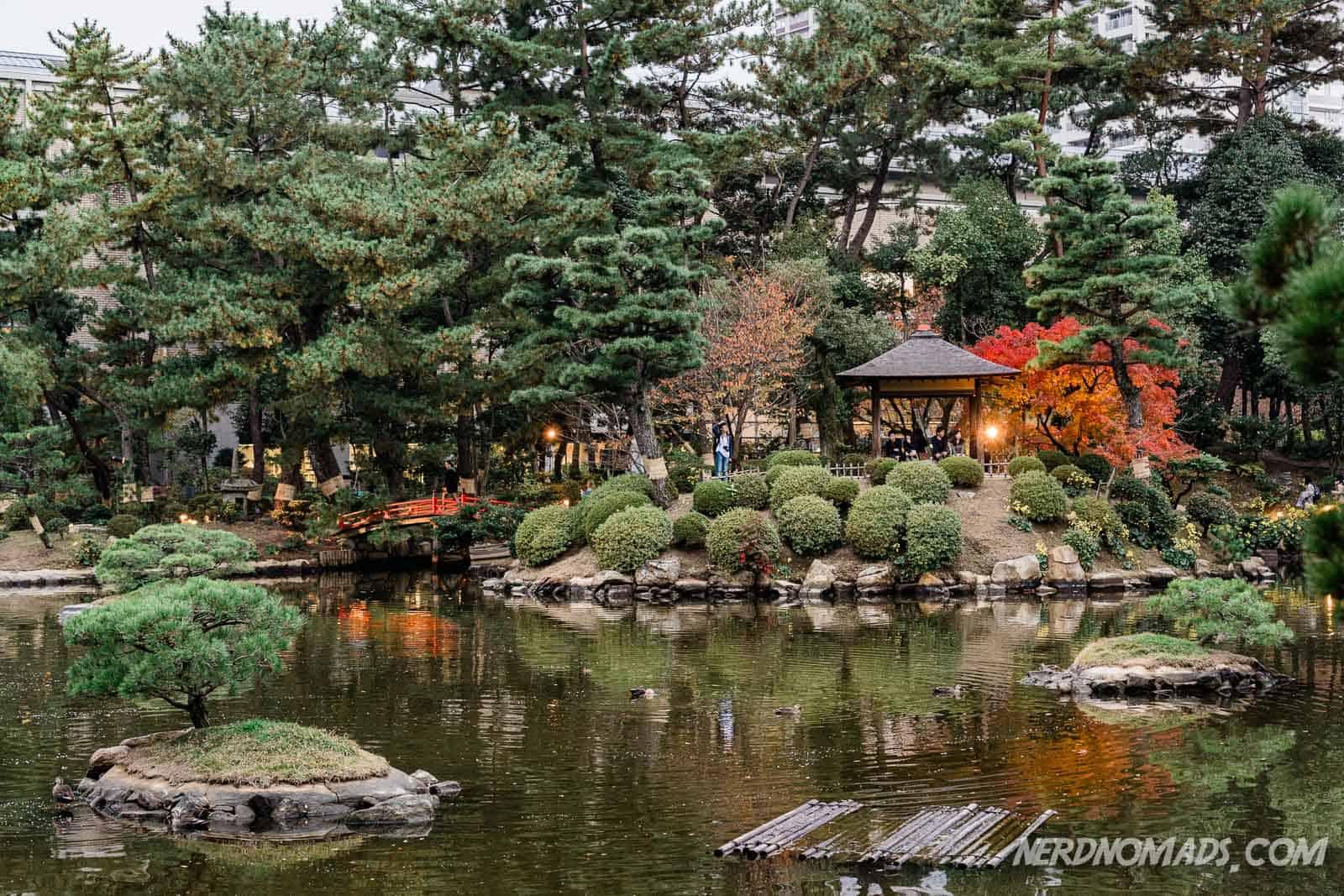
Shukkeien, Hiroshima’s famous Japanese garden, is deeply entwined with local history spanning centuries ago through to the city’s darkest hour in 1945. Scars from the atomic bombing are visible here if one knows where to look, but they in no way detract from Shukkeien’s year-round splendor. Rather, the traces of Hiroshima’s tragic A-bomb experience serve to somehow emphasize the beauty of nature.
Read More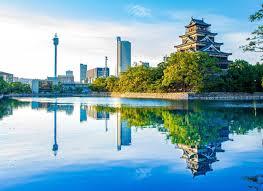
In the exhibition room on the first floor, the structure of Hiroshima Castle, the construction of Hiroshima Castle by Mori Terumoto, and the political flow from the establishment of the Hiroshima Domain to the end of the Edo period are displayed using actual documents and models. A video of the
construction of the castle is shown on the model of Hiroshima Castle.
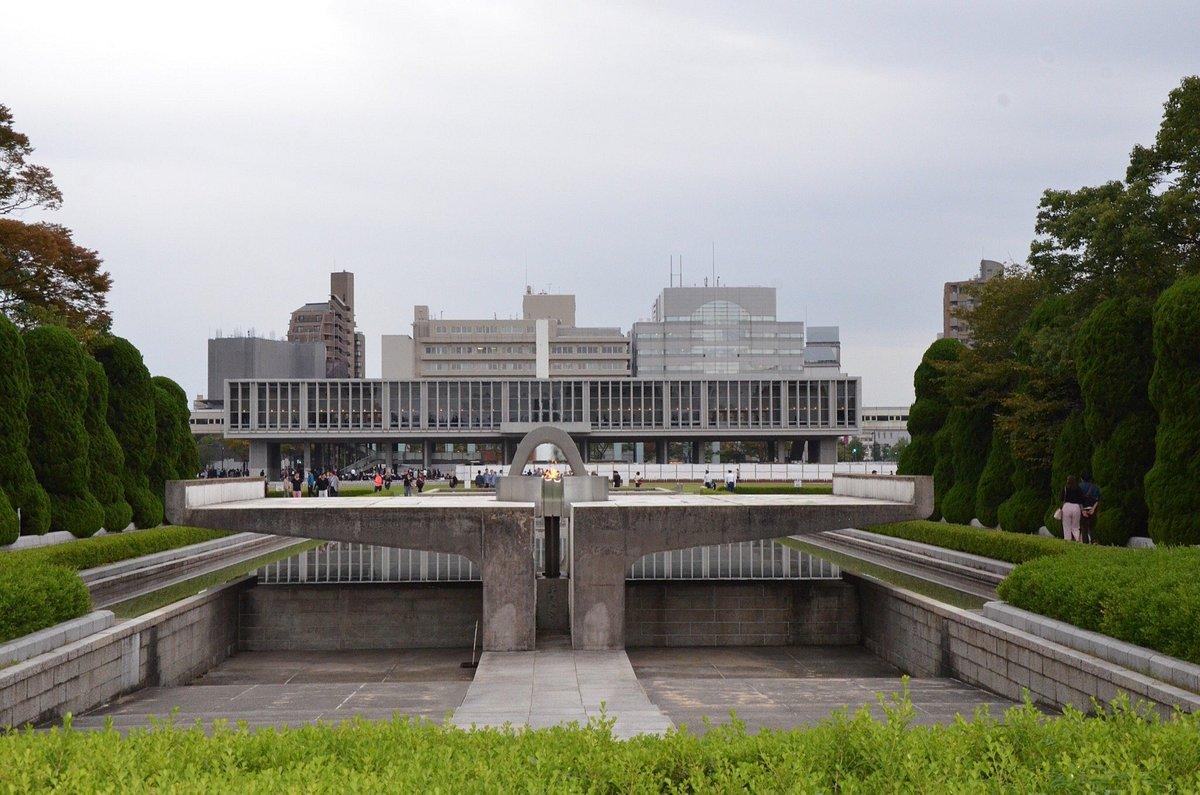
The Hall was founded by the Japanese national government to mourn the atomic bomb victims in 2002. It was designed by Kenzō Tange. There is another National Peace Memorial Hall for the Atomic Bomb Victims in Nagasaki built for the same purpose.
Read More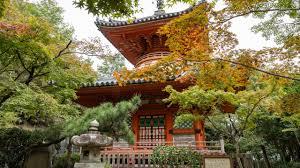
Mitaki-dera was founded in 809 during the Daidō era. Mitaki-dera is familiar with the name of "Mitaki-Kannon" (三滝観音). The temple grounds include three waterfalls, and their waters are used as an offering to the victims of the atomic bomb during the annual Hiroshima Peace Memorial Ceremony.
Read More